Lafayette’s Guide to Creating the Perfect Home Wine Tasting Room
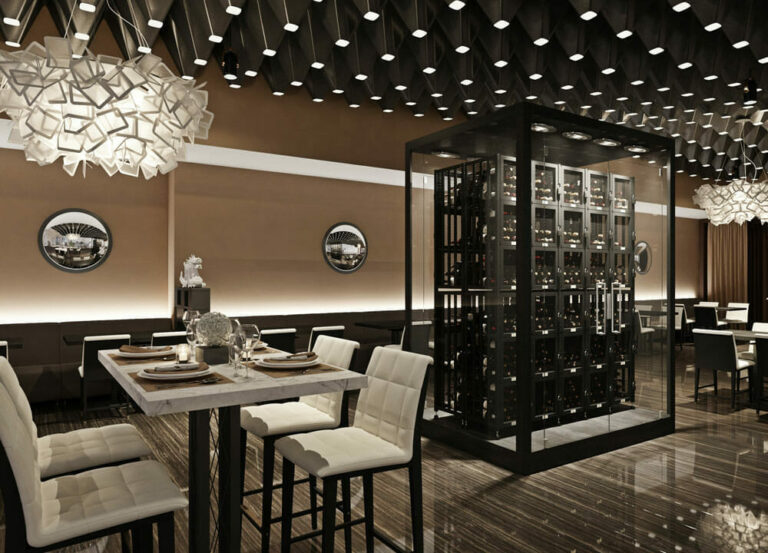
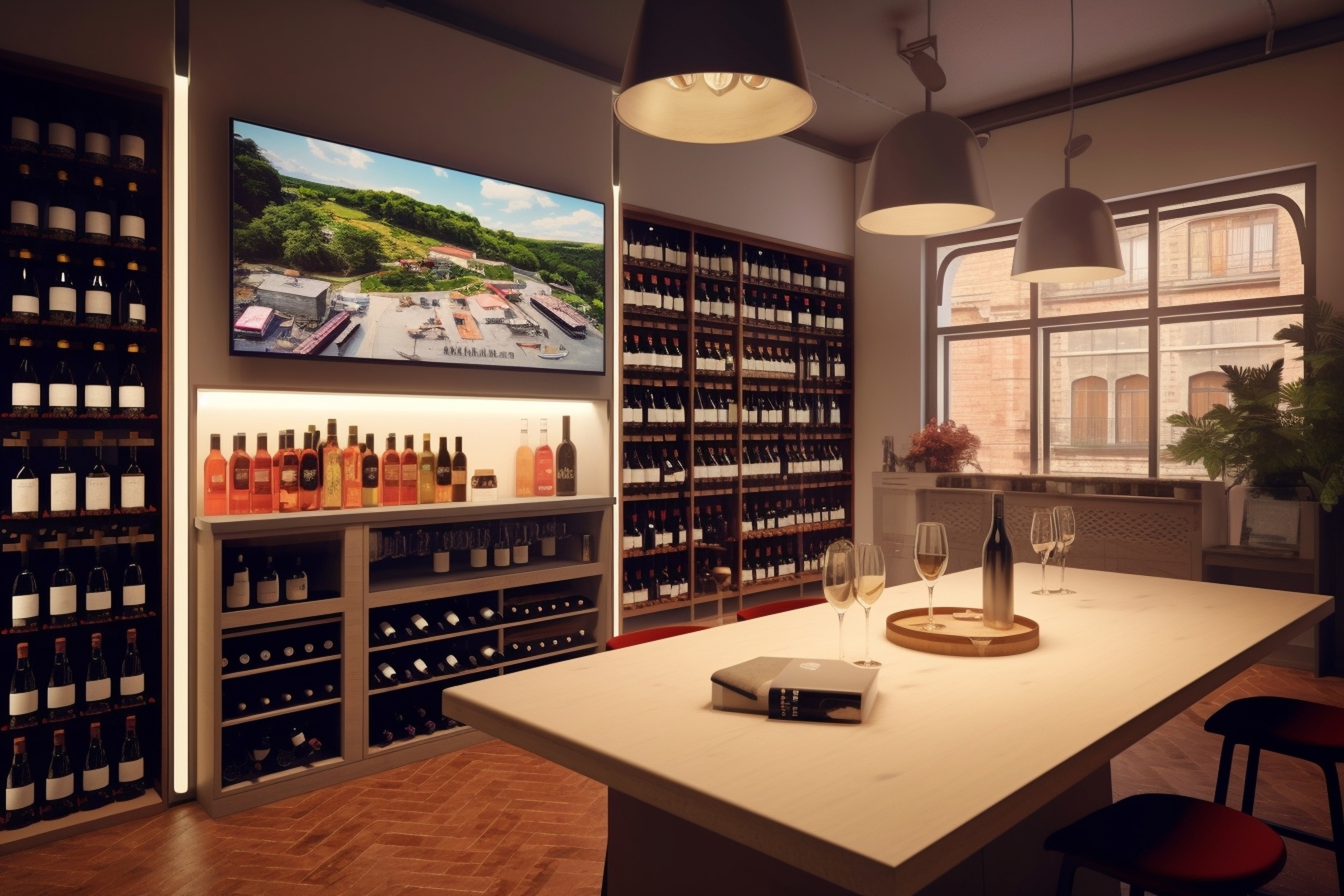
When it comes to creating the perfect wine tasting room, the first and most crucial step is to choose the right space. This decision will set the foundation for the entire design and functionality of the room. In evaluating the available space in your home, it’s essential to consider factors such as the size, layout, and overall suitability for wine tasting.
The size of the room is a crucial consideration. You want to ensure that the space is large enough to accommodate your desired seating arrangements, wine storage, and any additional features you plan to incorporate. At the same time, the room should not feel overwhelming or too spacious, as this can impact the cozy and intimate atmosphere that is often desired in a wine tasting setting. The layout of the room is equally important, as it will determine the flow and functionality of the space. Consider the placement of doors, windows, and any existing architectural elements that may influence the room’s design.
Ensuring the space is conducive to wine tasting is another essential factor. This may involve assessing the room’s acoustics, lighting, and overall ambiance. The space should be free from distractions and provide a comfortable and focused environment for guests to fully immerse themselves in the wine tasting experience. Additionally, the accessibility and flow of the room should be carefully considered, allowing for easy movement and navigation throughout the space.
Key Takeaways
- Choose a space that is separate from the main living area to create a dedicated wine tasting room.
- Consider the lighting and ambiance of the room to create a relaxing and inviting atmosphere for wine tasting.
- Select comfortable and stylish furniture and seating options to accommodate guests during wine tastings.
- Invest in wine storage and display options that are both functional and visually appealing.
- Stock up on high-quality glassware and accessories to enhance the wine tasting experience for guests.
- Install temperature and climate control systems to ensure that the wine is stored and served at the optimal conditions.
- Plan for entertaining and hosting by including a bar area and additional seating for larger gatherings.
- Infuse your personal style into the design and decor of the wine tasting room to make it a reflection of your taste and preferences.
- Stay on top of maintenance and upkeep to ensure that the wine tasting room remains in top condition for years to come.

Lighting and Ambiance
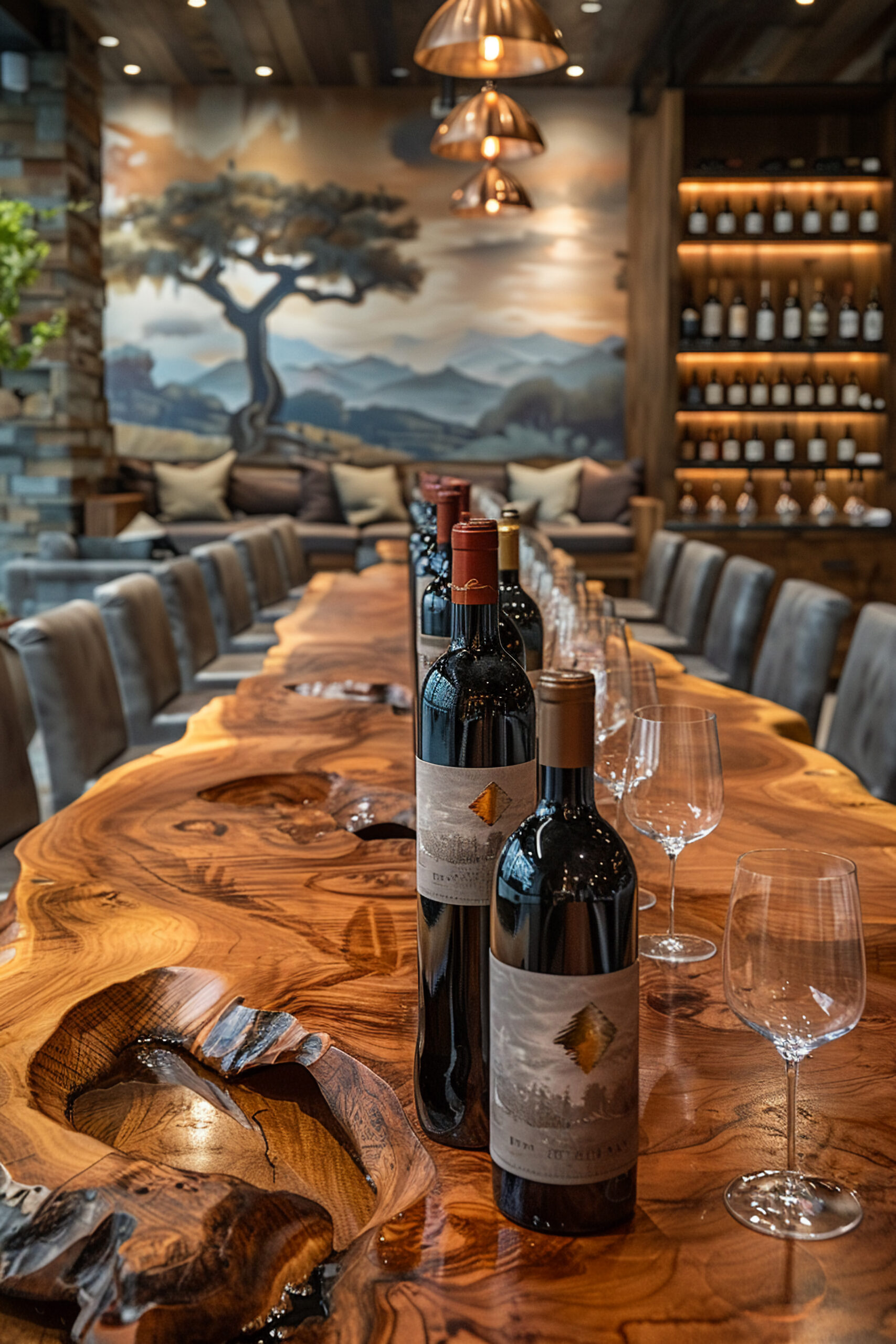
Proper lighting is a crucial element in creating the perfect wine tasting room. The right lighting can set the mood, enhance the visual appeal of the space, and even influence the perception of the wines being tasted. The importance of lighting in a wine tasting room cannot be overstated, as it can significantly impact the overall ambiance and experience.
To achieve the desired lighting, it’s essential to utilize a combination of natural and artificial lighting sources. Natural light, such as that provided by windows or skylights, can add warmth and depth to the space, while artificial lighting can be used to create specific moods and highlight specific areas of the room. Experiment with different lighting fixtures, such as pendant lights, wall sconces, and recessed lighting, to find the perfect balance and create a cozy and inviting atmosphere.
In addition to the lighting, the overall ambiance of the wine tasting room is equally important. The space should exude a sense of comfort and sophistication, encouraging guests to relax and fully immerse themselves in the wine tasting experience. Consider incorporating design elements that contribute to a cozy and intimate atmosphere, such as plush seating, warm textures, and subtle decorative accents. By carefully curating the lighting and ambiance, you can create a wine tasting room that is both visually appealing and conducive to an exceptional tasting experience.
Furniture and Seating
The furniture and seating arrangements in a wine tasting room play a crucial role in the overall functionality and comfort of the space. Selecting the right pieces and arranging them in an ergonomic and visually appealing manner can greatly enhance the wine tasting experience for both you and your guests.
When it comes to seating, comfort is of the utmost importance. Choose comfortable and appropriate chairs or stools that provide ample support and allow your guests to sit for extended periods without feeling fatigued. Consider the height and design of the seating to ensure it complements the tasting table or bar you plan to incorporate. The placement and arrangement of the furniture should also be carefully considered, creating a natural flow and allowing for easy movement around the room.
Incorporating a dedicated tasting table or bar is an essential element in a wine tasting room. This central feature should be designed to accommodate the necessary wine tasting essentials, such as glassware, decanters, and any other accessories. The size and shape of the tasting table or bar should be proportionate to the size of the room, ensuring it doesn’t overwhelm the space or create any obstructions. Additionally, the placement of the tasting table or bar should be strategically positioned to optimize the flow and functionality of the room.
By carefully selecting and arranging the furniture and seating in your wine tasting room, you can create a space that is both visually appealing and highly functional, allowing your guests to fully immerse themselves in the wine tasting experience.
Wine Storage and Display
Proper wine storage and display are crucial elements in creating the perfect wine tasting room. Investing in a dedicated wine refrigerator or cellar ensures that your wine collection is maintained at the ideal temperature and humidity levels, preserving the quality and flavor of your wines.
When it comes to showcasing your wine collection, it’s important to do so in a visually appealing manner. Utilize wine racks, shelves, or cabinets to neatly and efficiently organize your bottles, creating a stunning display that complements the overall aesthetic of the room. Consider the placement and arrangement of these storage solutions, ensuring they are easily accessible and integrated seamlessly into the design of the space.
Maintaining the proper temperature and humidity levels is crucial for the long-term preservation of your wine collection. Utilize climate control systems or insulation to regulate the environment, ensuring that your wines are stored in optimal conditions. Regularly monitor and adjust the temperature and humidity levels as needed to prevent any potential spoilage or damage to your valuable collection.
By investing in dedicated wine storage and display solutions, you can not only ensure the longevity of your wines but also create a visually stunning and functional wine tasting room that showcases your passion and expertise.
Glassware and Accessories
| Aspect | Metric |
|---|---|
| Lighting | LED lights: 2700-3000K |
| Temperature | 55-57°F (13-14°C) |
| Humidity | 60-70% |
| Wine Racks | Customizable and expandable |
| Furniture | Comfortable seating for guests |
The glassware and accessories used in a wine tasting room play a crucial role in enhancing the overall experience. Choosing high-quality wine glasses that are specifically designed for the tasting and enjoyment of wine can significantly impact the perception and appreciation of the wines being sampled.
When selecting wine glasses, consider factors such as the shape, size, and material. Opt for glasses that are designed to accentuate the unique characteristics of different wine varietals, allowing your guests to fully experience the aroma, flavor, and texture of the wines. Incorporate a variety of glass types, such as red wine, white wine, and sparkling wine glasses, to cater to the diverse preferences of your guests.
In addition to the wine glasses, consider incorporating complementary accessories that can further enhance the wine tasting experience. This may include items such as decanters, aerators, corkscrews, and wine pourers. These accessories can not only serve a practical purpose but also contribute to the overall aesthetic and functionality of the space.
Ensuring proper glassware storage and organization is also essential. Invest in dedicated wine glass racks, shelves, or cabinets to keep your glassware clean, accessible, and protected from potential damage. This not only maintains the quality of your glassware but also adds to the overall visual appeal of the wine tasting room.
By carefully selecting and incorporating high-quality glassware and accessories, you can elevate the wine tasting experience and create a space that truly celebrates the art of wine appreciation.
Temperature and Climate Control
Maintaining the ideal temperature and climate conditions is crucial for creating the perfect wine tasting room. The temperature and humidity levels in the space can significantly impact the quality and enjoyment of the wines being tasted.
Achieving the ideal temperature for wine tasting is essential. Wines are best enjoyed at specific serving temperatures, which can vary depending on the wine varietal and style. Ensure that the temperature in the wine tasting room is carefully regulated, typically between 55°F and 65°F (13°C and 18°C), to allow the wines to showcase their full potential.
Regulating the humidity levels in the wine tasting room is equally important. Proper humidity levels, typically between 50% and 70%, help prevent the wine from drying out or becoming oxidized, ensuring the wines maintain their optimal flavor and aroma profiles. Utilize climate control systems, such as dehumidifiers or humidifiers, to maintain the appropriate humidity levels and protect your wine collection from potential spoilage.
In addition to temperature and humidity control, consider incorporating other measures to ensure the optimal environment for wine tasting. This may include utilizing insulation, sealing any drafts or air leaks, and monitoring the room’s conditions regularly. By taking a comprehensive approach to temperature and climate control, you can create a wine tasting room that provides the perfect setting for enjoying your wine collection.


Entertaining and Hosting
Designing a wine tasting room with entertaining and hosting in mind is crucial for creating a space that caters to your desired wine tasting experiences. The room should be designed to facilitate seamless wine tasting events, allowing you and your guests to fully immerse themselves in the art of wine appreciation.
Incorporating features that enhance the serving and presentation of wines is essential. This may include a dedicated tasting table or bar, as well as ample counter or surface space for displaying and serving the wines. Consider adding features such as wine chillers, decanters, and pourers to streamline the serving process and ensure your guests can enjoy the wines at their optimal temperature and condition.
Ensuring the wine tasting room can accommodate your desired guest capacity is also important. Carefully consider the seating arrangements and overall layout of the space to ensure it can comfortably host the number of guests you plan to entertain. Additionally, consider adding amenities that enhance the overall experience, such as a small refrigerator for chilling white wines or a sink for rinsing glassware.
By designing the wine tasting room with entertaining and hosting in mind, you can create a space that not only showcases your wine collection but also provides a welcoming and enjoyable environment for your guests to savor and appreciate the art of wine tasting.
Incorporating Personal Style
When designing a wine tasting room, it’s essential to incorporate your personal style and preferences to create a space that truly reflects your unique personality and passion for wine. By blending functionality with aesthetic appeal, you can create a wine tasting room that is both visually stunning and tailored to your specific needs.
Reflect your personal taste and preferences throughout the design of the space. This may involve selecting furniture, lighting fixtures, and decorative elements that align with your personal style, whether it’s modern, traditional, or a blend of both. Incorporate colors, textures, and materials that resonate with you and create a cohesive and visually appealing aesthetic.
In addition to the overall design, consider incorporating decorative elements that complement the wine theme and enhance the overall ambiance of the space. This may include wall art, wine-themed accessories, or even custom-made features that showcase your love for wine. By personalizing the space, you can create a wine tasting room that not only functions well but also serves as a reflection of your individual style and interests.
Ultimately, the wine tasting room should be a space that you and your guests can truly enjoy and feel comfortable in. By blending functionality with your personal style, you can create a wine tasting room that is both visually stunning and tailored to your unique preferences, making it a true extension of your passion for wine.
Maintenance and Upkeep
Maintaining and upkeeping a wine tasting room is essential to ensure the space remains in optimal condition and continues to provide an exceptional wine tasting experience. Establishing a regular cleaning and maintenance routine is crucial for preserving the quality and longevity of the room’s features and amenities.
Regularly cleaning the wine tasting room, including the surfaces, glassware, and any specialized equipment, is important to maintain a clean and hygienic environment. Address any issues or repairs promptly, such as fixing any leaks, replacing broken light fixtures, or addressing any damage to the furniture or finishes. By staying on top of maintenance, you can prevent minor problems from escalating and ensure the wine tasting room remains in pristine condition.
As your wine collection and personal preferences evolve over time, it’s important to regularly update and refresh the space as needed. This may involve updating the decor, incorporating new wine storage solutions, or even reconfiguring the layout to better suit your changing needs. By continuously maintaining and updating the wine tasting room, you can ensure it remains a welcoming and enjoyable space for you and your guests to savor the art of wine tasting.
Investing time and effort into the maintenance and upkeep of your wine tasting room will not only preserve the quality and functionality of the space but also contribute to the overall longevity and enjoyment of your wine tasting experiences.
FAQs
What is a home wine tasting room?
A home wine tasting room is a designated space in a residence where individuals can sample and enjoy different wines in a comfortable and inviting setting. It is typically designed to mimic the ambiance of a professional wine tasting room.
What are the key elements of a home wine tasting room?
Key elements of a home wine tasting room include proper storage for wine bottles, a tasting table or bar, comfortable seating, appropriate lighting, and decor that reflects the owner’s personal style and wine preferences.
How can I create a home wine tasting room on a budget?
Creating a home wine tasting room on a budget can be achieved by repurposing existing furniture, utilizing DIY projects for decor, shopping for discounted wine racks and accessories, and focusing on essential elements such as proper wine storage and a designated tasting area.
What are some essential accessories for a home wine tasting room?
Essential accessories for a home wine tasting room include wine glasses, a corkscrew, a wine decanter, wine bottle stoppers, a spittoon for wine tasting, and possibly a wine refrigerator or cooler for proper wine storage.
How can I ensure the proper storage of wine in a home tasting room?
Proper storage of wine in a home tasting room can be achieved by maintaining a consistent temperature, controlling humidity levels, storing bottles on their side to keep the cork moist, and minimizing exposure to light and vibration. Investing in a wine refrigerator or cellar may also be beneficial.