

The Best Wine Refrigeration Systems for Your Lafayette Home
Proper wine storage is crucial for preserving the quality and flavor of your wine collection. Whether you’re a seasoned wine enthusiast or a casual collector, ensuring the right storage conditions can make all the difference in the longevity and enjoyment of your wines. By maintaining the ideal temperature and humidity levels, you can prevent premature aging and spoilage, protecting your investment in fine wines.
Preserving the quality and flavor of your wine collection is a top priority for any wine lover. Wine is a delicate and complex beverage that can be easily affected by environmental factors such as temperature, humidity, and light exposure. When stored in the wrong conditions, wines can quickly lose their distinctive aromas, flavors, and overall character. Proper storage, on the other hand, allows the wine to age gracefully, developing nuanced and complex profiles that can be savored for years to come.
Preventing premature aging and spoilage of your wines is another crucial aspect of proper storage. Wine is a living, evolving product, and if not stored correctly, it can deteriorate much faster than intended. Exposure to excessive heat, fluctuating temperatures, or high humidity can accelerate the aging process, leading to undesirable changes in the wine’s structure, color, and taste. By maintaining the optimal storage environment, you can ensure that your wines reach their full potential and remain in peak condition until you’re ready to enjoy them.
Key Takeaways
- Proper wine storage is crucial for maintaining the quality and flavor of your wine collection.
- Temperature and humidity control are essential factors in preserving the integrity of your wine.
- Consider the differences between freestanding and built-in wine coolers when choosing the best option for your home.
- Dual-zone wine refrigeration systems allow for storing both red and white wines at their ideal temperatures.
- Maximize storage capacity in your Lafayette home by choosing wine refrigeration systems that fit your space and collection size.
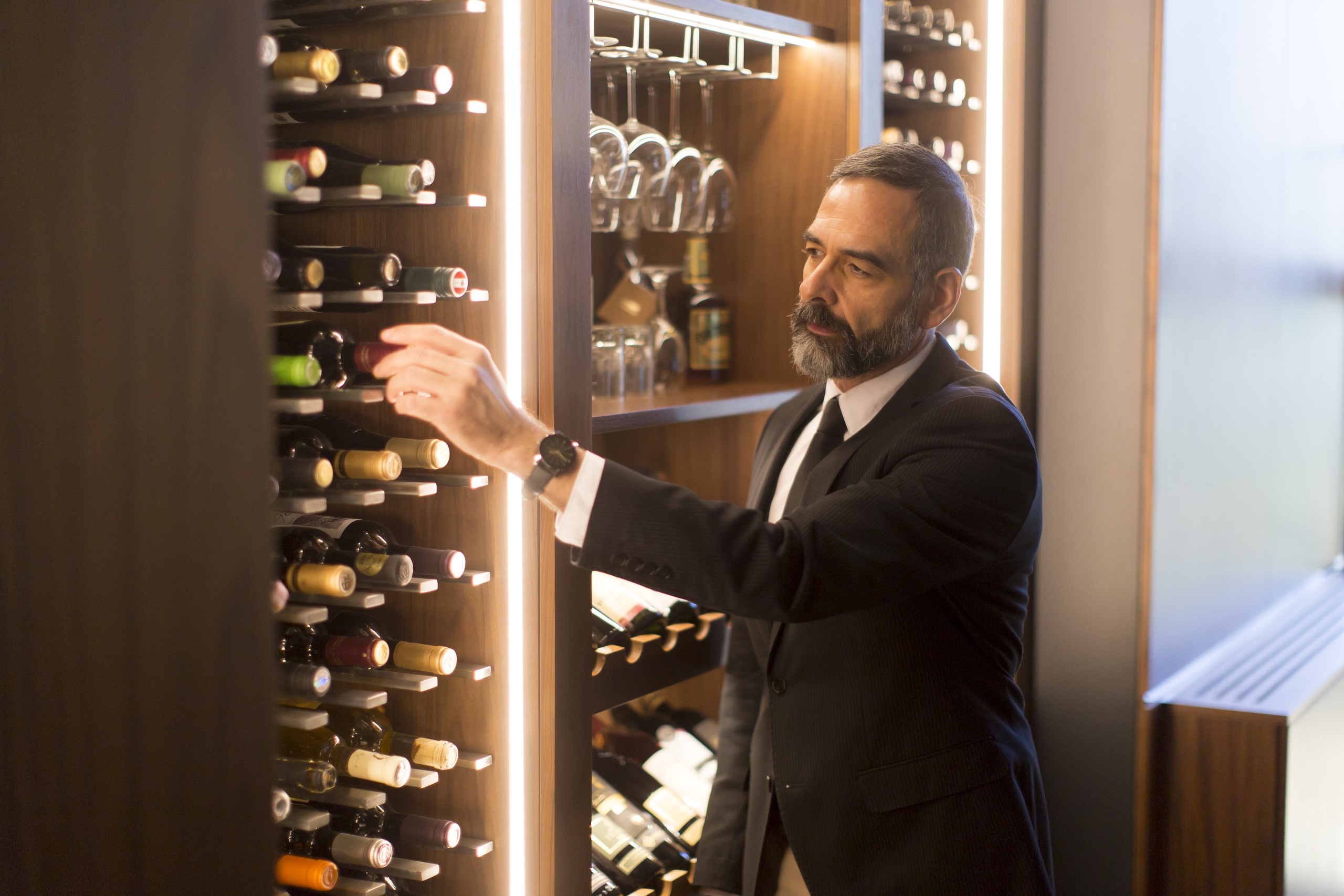
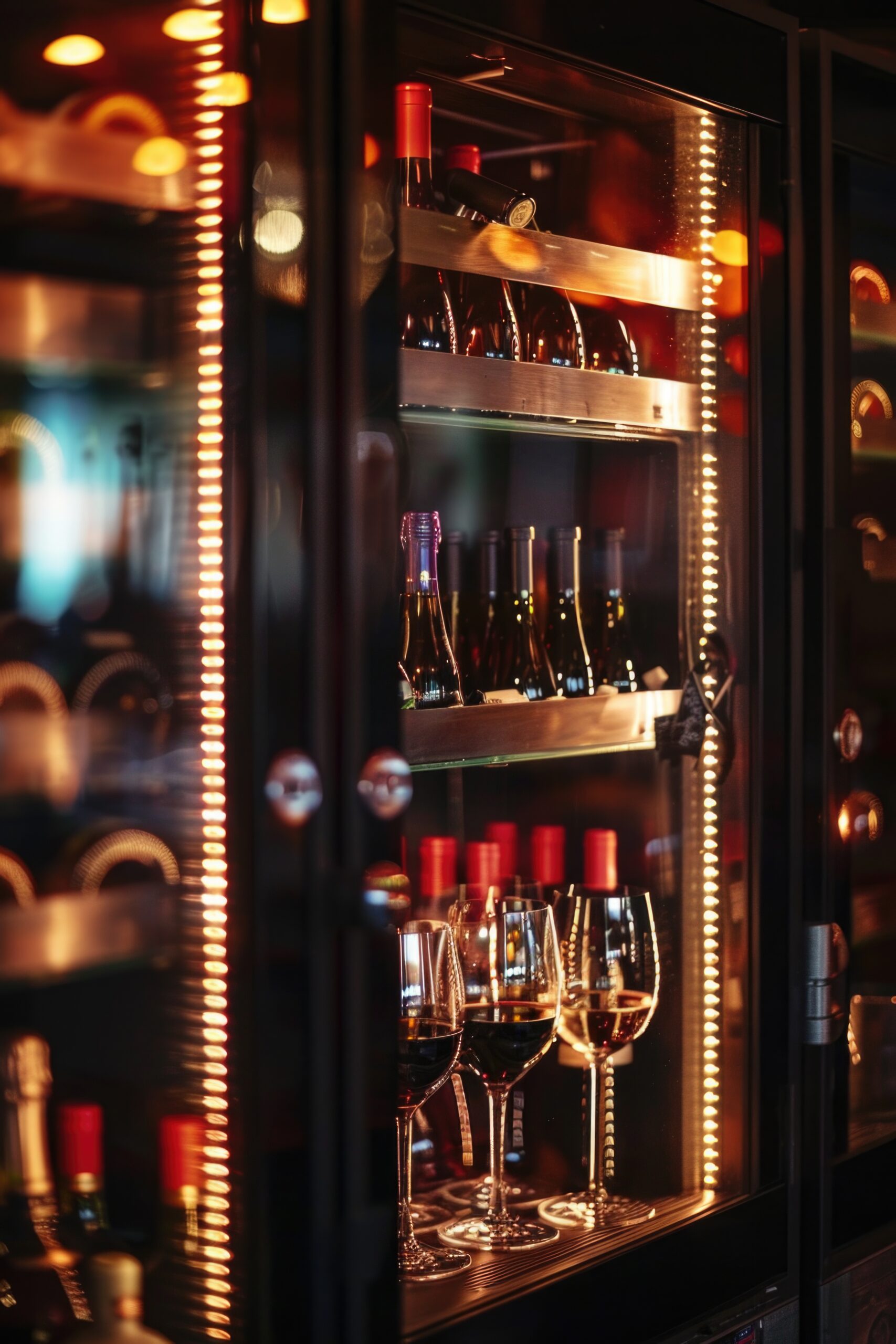

Understanding Temperature and Humidity Control
The ideal temperature range for wine storage is typically between 55°F and 65°F (13°C and 18°C). This temperature range allows the wine to age slowly and gracefully, preserving its delicate flavors and aromas. Exposure to temperatures outside of this range can have detrimental effects, such as accelerated aging, oxidation, or even the development of off-flavors.
Humidity also plays a vital role in maintaining wine quality. The ideal humidity level for wine storage is between 60% and 70%. This range helps prevent the cork from drying out and shrinking, which can allow air to enter the bottle and cause premature oxidation. Conversely, excessively high humidity can lead to the growth of mold and mildew, which can taint the wine and damage the labels.
Monitoring and maintaining the optimal temperature and humidity levels is crucial for ensuring the long-term preservation of your wine collection. This can be achieved through the use of specialized wine coolers or wine refrigeration systems, which are designed to precisely control the environmental conditions within the storage space. Regular monitoring and adjustments, as needed, can help you maintain the perfect balance and protect your valuable wines.
Freestanding vs. Built-In Wine Coolers
Freestanding wine coolers offer a convenient and flexible solution for wine storage. These units are self-contained and can be placed in any suitable location, such as a kitchen, living room, or dedicated wine cellar. Freestanding wine coolers often come in a variety of sizes and capacities, making them a versatile option for both small and large wine collections. Additionally, they can be easily moved or relocated as needed, providing greater flexibility in your home.
Built-in wine refrigeration systems, on the other hand, offer a more integrated and seamless approach to wine storage. These units are designed to be installed directly into cabinetry or built-in spaces, creating a custom and cohesive look that blends seamlessly with your home’s decor. Built-in wine coolers often offer advanced features, such as dual-zone temperature control, larger storage capacities, and enhanced insulation for optimal temperature and humidity regulation.
When choosing between freestanding and built-in wine coolers, several factors should be considered. Factors such as the size of your wine collection, the available space in your home, and your desired aesthetic preferences can all play a role in determining the best option. Freestanding wine coolers may be the more practical choice for smaller collections or homes with limited built-in storage options, while built-in systems can provide a more integrated and visually appealing solution for larger collections or those with dedicated wine storage areas.
Dual-Zone Wine Refrigeration Systems
The importance of temperature zoning for different wine types cannot be overstated. Different varieties of wine, such as red, white, and sparkling, have distinct optimal serving temperatures. By utilizing a dual-zone wine refrigeration system, you can create separate temperature-controlled environments within a single unit, allowing you to store and preserve various wine types at their ideal conditions.
Maximizing storage flexibility with dual-zone capabilities is a significant advantage of these advanced wine coolers. The ability to maintain different temperature zones within the same unit enables you to store a wider range of wines, from delicate whites to robust reds, all while ensuring each type is kept at its optimal serving temperature. This flexibility allows you to optimize your wine storage and enjoy the full potential of your collection.
When selecting a dual-zone wine cooler, it’s important to consider factors such as the overall storage capacity, the temperature range and differential between the two zones, and the ease of use and control. Some models may offer additional features, such as independent temperature and humidity controls, to further enhance the precision and customization of your wine storage environment.
Maximizing Storage Capacity in Your Lafayette Home
| Brand | Capacity | Temperature Range | Number of Zones |
|---|---|---|---|
| Sub-Zero | 46 bottles | 38-65°F | Dual |
| WhisperKOOL | up to 500 bottles | 45-65°F | Single |
| Wine Enthusiast | 32 bottles | 39-65°F | Single |
Optimizing space utilization with compact wine cooler designs is crucial, especially in homes with limited square footage. Manufacturers have developed innovative wine cooler models that offer impressive storage capacities while maintaining a compact footprint. These space-saving solutions can be integrated into various areas of your home, such as under-counter spaces, built-in cabinetry, or even within kitchen islands, allowing you to maximize your available storage without compromising your living space.
Integrating wine storage into existing cabinetry or furniture can be an excellent way to seamlessly incorporate your wine cooler into your home’s decor. By working with custom-built or custom-designed wine refrigeration systems, you can create a cohesive and visually appealing storage solution that blends harmoniously with your home’s aesthetic. This approach not only optimizes your storage capacity but also enhances the overall design and functionality of your living space.
For larger wine collections or those seeking a more dedicated wine storage solution, exploring custom-built wine cellar options can be a transformative experience. These bespoke wine cellar designs can be tailored to your specific needs, accommodating your collection size, preferred storage configurations, and desired ambiance. Whether you envision a traditional wine cellar or a modern, temperature-controlled wine room, custom-built solutions can provide the ultimate in wine storage and display.
Energy-Efficient Wine Refrigeration Options
Identifying energy-efficient wine cooler models is crucial for minimizing the environmental impact and long-term operating costs of your wine storage system. Manufacturers have developed advanced wine cooler technologies that prioritize energy efficiency, often incorporating features such as LED lighting, efficient compressors, and optimized insulation to reduce energy consumption.
Understanding the impact of energy efficiency on operating costs is essential when selecting a wine cooler for your home. Energy-efficient models can significantly reduce your electricity bills, providing long-term savings and a more sustainable approach to wine storage. By considering the energy efficiency ratings and projected operating costs, you can make an informed decision that aligns with your environmental and financial goals.
Exploring eco-friendly refrigeration technologies, such as thermoelectric or absorption-based cooling systems, can further enhance the energy efficiency and environmental friendliness of your wine refrigeration solution. These innovative technologies often use alternative cooling methods that minimize the carbon footprint and environmental impact of your wine storage system, making them a compelling choice for the eco-conscious wine enthusiast.
Noise Levels and Vibration Considerations
Minimizing noise disruption in your living space is an important factor to consider when selecting a wine cooler. Many modern wine cooler models are designed with advanced sound-dampening features, such as insulation, vibration-absorbing components, and low-noise compressors, to ensure a quiet and unobtrusive operation. This is particularly crucial if you plan to place the wine cooler in a shared living area or an open-concept space, where excessive noise could be a distraction.
Addressing vibration concerns to protect wine quality is another crucial consideration. Excessive vibration can have a detrimental effect on the aging process of wine, potentially disrupting the delicate balance of the liquid and causing premature oxidation. Wine coolers with anti-vibration features, such as specialized suspension systems or dampened shelves, can help mitigate these concerns and ensure the long-term preservation of your wine collection.
When selecting a wine cooler, look for models that prioritize low-noise and anti-vibration design. Manufacturers often provide detailed specifications on the noise levels and vibration characteristics of their products, allowing you to make an informed decision that aligns with your desired level of acoustic comfort and wine storage protection.


Integrating Wine Refrigeration into Your Home Decor
Matching wine cooler styles with your home’s aesthetic is an important consideration when incorporating wine storage into your living space. Wine coolers come in a variety of designs, from sleek and modern to traditional and rustic, allowing you to choose a model that complements the overall style and ambiance of your home. Whether you prefer a stainless steel finish, a wood-paneled exterior, or a custom-built integrated solution, there are options available to seamlessly blend your wine refrigeration system with your home’s decor.
Incorporating wine storage into your kitchen or living room design can be a visually appealing and functional addition to your home. Built-in wine coolers, for instance, can be integrated into cabinetry or custom-designed furniture, creating a cohesive and intentional storage solution that enhances the overall aesthetic of the space. Freestanding wine coolers, on the other hand, can be strategically placed in living rooms, dining areas, or even home bars, serving as both a functional and decorative element.
Exploring built-in and custom-designed wine refrigeration solutions can take your wine storage integration to the next level. These bespoke systems are tailored to your specific needs and preferences, allowing you to create a truly unique and personalized wine storage experience. From custom-built wine cellars to integrated wine walls, the possibilities are endless when it comes to seamlessly incorporating wine refrigeration into your home’s design.
Maintenance and Troubleshooting Tips for Wine Coolers
Proper cleaning and maintenance procedures are essential for ensuring the long-term performance and reliability of your wine cooler. Regular cleaning of the interior, shelves, and door seals can help prevent the buildup of dust, debris, and potential mold or mildew. Additionally, following the manufacturer’s recommended maintenance schedule, such as cleaning the condenser coils or replacing air filters, can help optimize the efficiency and lifespan of your wine refrigeration system.
Identifying and addressing common issues with wine coolers is crucial for maintaining the optimal storage conditions for your wine collection. This may include troubleshooting temperature or humidity fluctuations, addressing compressor or fan malfunctions, or resolving any other technical problems that may arise. By familiarizing yourself with the common troubleshooting steps and being proactive in addressing any issues, you can ensure the continued protection and preservation of your valuable wines.
Ensuring long-term performance and reliability of your wine refrigeration system is a key aspect of maintaining your wine storage investment. This may involve regular inspections, timely repairs, and potentially upgrading or replacing older wine cooler models with more energy-efficient and technologically advanced options. By prioritizing the maintenance and upkeep of your wine cooler, you can enjoy the peace of mind that comes with knowing your wine collection is being properly cared for and protected.
FAQs
What is a wine refrigeration system?
A wine refrigeration system is a specialized appliance designed to store and preserve wine at the optimal temperature and humidity levels.
Why do I need a wine refrigeration system?
A wine refrigeration system is essential for maintaining the quality and flavor of your wine collection. It helps to prevent temperature fluctuations and exposure to light, which can negatively impact the taste of the wine.
What are the different types of wine refrigeration systems?
There are various types of wine refrigeration systems, including wine coolers, wine cellars, and wine cabinets. Each type offers different storage capacities and features to suit different needs and preferences.
How do I choose the best wine refrigeration system for my home in Lafayette?
When choosing a wine refrigeration system, consider factors such as the size of your wine collection, available space in your home, and your budget. It’s also important to consider the cooling technology, insulation, and UV protection offered by the system.
What are the benefits of investing in a wine refrigeration system?
Investing in a wine refrigeration system can help you preserve the quality and value of your wine collection. It also allows you to enjoy your wine at its best, as it maintains the ideal storage conditions for different types of wine.
