The Importance of Proper Wine Storage: Insights from Lafayette’s Wine Cellar Experts
Key Takeaways
- Proper wine storage is crucial for preserving the integrity and flavor of your wine collection.
- Temperature control is essential for maintaining the quality of wine and preventing spoilage.
- Humidity regulation is important to prevent evaporation and cork damage, which can affect the taste and quality of the wine.
- Protecting wines from harmful UV rays through proper lighting considerations is crucial for long-term storage.
- Minimizing vibration and movement is key to ensuring optimal aging and preserving the quality of the wine.
The Significance of Proper Wine Storage
Wine is a complex and delicate beverage that requires careful attention to its storage conditions to maintain its quality and longevity. Understanding the impact of storage conditions on wine is crucial for wine enthusiasts and collectors alike. Improper storage can lead to the degradation of a wine’s flavor, aroma, and overall integrity, ultimately diminishing the enjoyment and value of the wine.
Proper wine storage is essential for preserving the intricate balance of a wine’s chemical and physical properties. The storage environment plays a crucial role in determining the wine’s evolution and development over time. By understanding the significance of proper wine storage, wine enthusiasts can ensure that their prized bottles are protected and able to reach their full potential.
Exploring the consequences of improper storage is equally important. Exposure to unfavorable conditions, such as fluctuating temperatures, high humidity, or excessive light, can accelerate the aging process and lead to undesirable changes in the wine’s characteristics. These changes can result in the loss of the wine’s unique flavors, aromas, and overall quality, ultimately diminishing the enjoyment and value of the wine.


Temperature Control: The Key to Preserving Wine’s Integrity
Maintaining the optimal temperature range for wine storage is paramount to preserving its integrity. The ideal temperature for wine storage is typically between 55°F and 65°F (13°C and 18°C). This range allows for the slow and gradual aging of the wine, enabling the complex chemical reactions that contribute to the development of its flavors and aromas.
Exposure to temperatures outside of this optimal range can have detrimental effects on the wine. Storing wine at temperatures that are too high can accelerate the aging process, leading to the premature oxidation of the wine and the loss of its delicate flavors and aromas. Conversely, storing wine at temperatures that are too low can cause the wine to become “stuck” in its development, preventing the necessary chemical reactions from occurring and resulting in a flat, unbalanced flavor profile.
The effects of temperature fluctuations on the chemical and physical properties of wine are equally significant. Sudden or frequent changes in temperature can cause the wine to expand and contract, leading to the breakdown of the wine’s structure and the potential for the cork to become damaged or dislodged. This can result in the introduction of oxygen into the bottle, accelerating the aging process and causing the wine to lose its freshness and vibrancy.
Humidity Regulation: Preventing Evaporation and Cork Damage
Proper humidity control is another crucial aspect of wine storage. The ideal humidity range for wine storage is typically between 60% and 70%. This level of humidity helps to maintain the integrity of the wine cork, preventing it from drying out and allowing the wine to age gracefully.
When the humidity levels are too low, the cork can become dried out and brittle, leading to the potential for air to enter the bottle and cause oxidation. This can result in the wine losing its aroma and flavor, as well as the development of undesirable off-flavors. Conversely, if the humidity levels are too high, the cork can become waterlogged, leading to the potential for mold growth and the degradation of the wine’s quality.
The consequences of both high and low humidity levels can be significant. High humidity can lead to the growth of mold and mildew, which can not only damage the wine labels but also introduce unpleasant aromas and flavors into the wine. Low humidity, on the other hand, can cause the wine to evaporate more quickly, leading to a loss of volume and the potential for the wine to become unbalanced or overly concentrated.
Lighting Considerations: Protecting Wines from Harmful UV Rays
| Factors | Importance |
|---|---|
| Temperature | Maintaining ideal temperature (around 55°F) is crucial for wine preservation. |
| Humidity | Proper humidity levels (around 70%) prevent corks from drying out and causing wine spoilage. |
| Light | Exposure to light can cause wine to age prematurely, making it important to store wine in a dark environment. |
| Vibration | Minimizing vibration helps prevent disturbance of sediments and chemical reactions in the wine. |
| Storage Position | Storing wine bottles on their side keeps the cork moist and prevents air from entering the bottle. |
Exposure to light, particularly ultraviolet (UV) radiation, can have a detrimental effect on the quality and longevity of wine. UV light can cause the wine to undergo photochemical reactions, leading to the degradation of its flavor and aroma compounds.
The impact of light exposure on wine can be significant. Prolonged exposure to UV radiation can cause the wine to develop undesirable “light-struck” or “skunky” flavors, as well as the potential for the wine to lose its color and clarity over time. This can result in the wine becoming less enjoyable and potentially less valuable.
Shielding wine from light is, therefore, a crucial aspect of proper wine storage. This can be achieved through the use of dark, opaque storage containers or by storing the wine in a dedicated wine cellar or storage unit that is designed to block out harmful UV rays. By creating a dark, protected environment, wine enthusiasts can ensure that their prized bottles are preserved and able to reach their full potential.
Vibration and Movement: Minimizing Disturbance for Optimal Aging
The delicate chemical and physical processes involved in wine aging can be significantly impacted by vibration and movement. Excessive vibration or frequent disturbance of the wine can disrupt the natural aging process, leading to the potential for the wine to become unbalanced or prematurely aged.
Vibration can cause the wine’s sediment to become suspended, which can lead to the development of off-flavors and the potential for the wine to become cloudy or hazy. Additionally, movement can cause the wine to slosh around in the bottle, potentially leading to the breakdown of the wine’s structure and the introduction of oxygen, which can accelerate the aging process.
Maintaining a stable, undisturbed storage environment is, therefore, crucial for the long-term preservation of wine. This can be achieved through the use of dedicated wine storage units or by carefully selecting a storage location that is free from excessive vibration or movement. By minimizing disturbance, wine enthusiasts can ensure that their wine is able to age gracefully and reach its full potential.
Bottle Orientation: Ensuring Proper Cork Moisture Levels
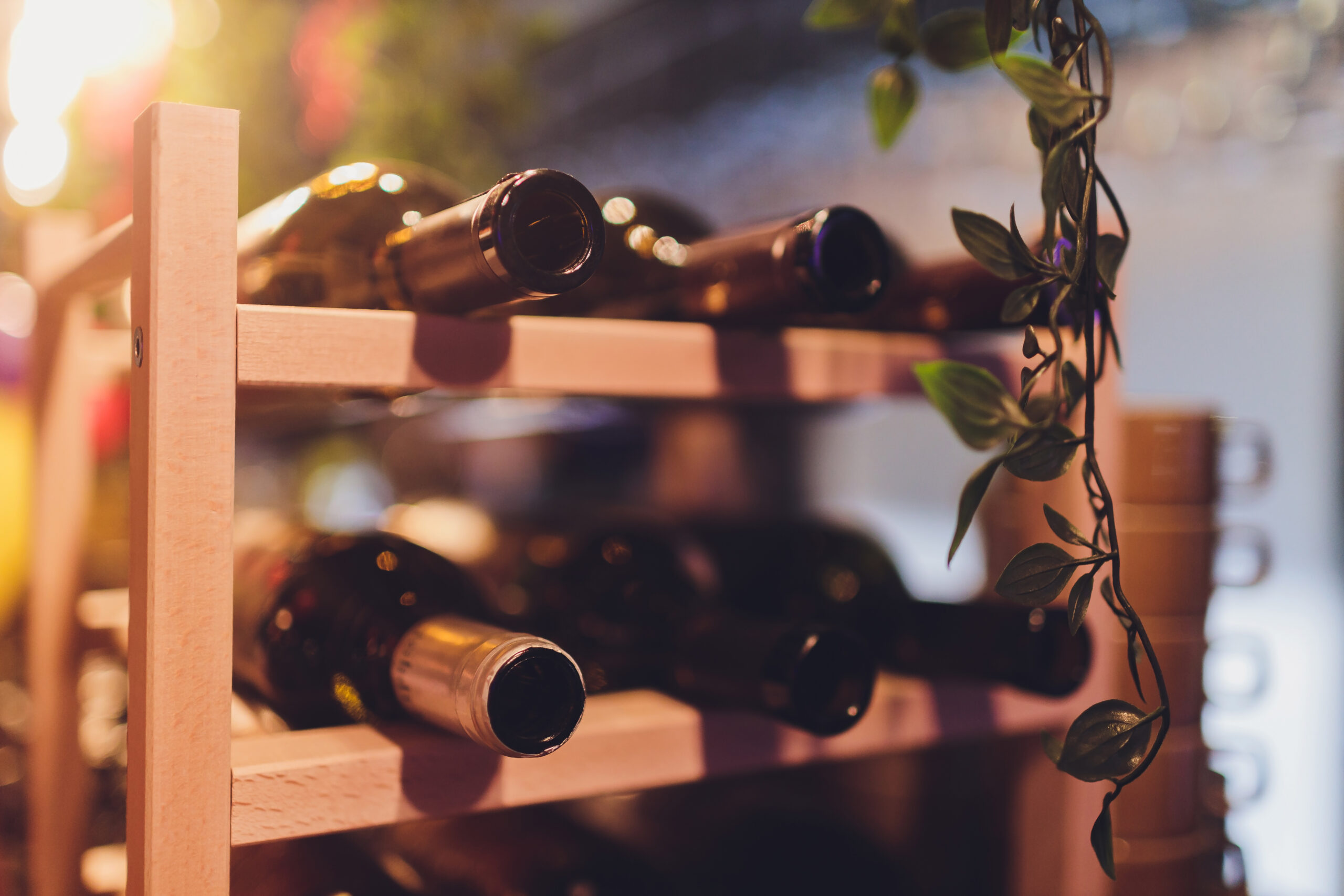
The orientation of wine bottles during storage is another important factor in maintaining the integrity of the wine. Storing wine bottles in a horizontal position is generally recommended, as this helps to keep the cork moist and prevent it from drying out.
When a wine cork dries out, it can shrink and allow air to enter the bottle, leading to the oxidation of the wine and the potential for the development of undesirable flavors. Conversely, storing wine bottles in a vertical position can cause the cork to become waterlogged, leading to the potential for mold growth and the degradation of the wine’s quality.
By storing wine bottles in a horizontal position, the wine is able to maintain contact with the cork, keeping it moist and preventing the introduction of air into the bottle. This helps to preserve the wine’s freshness and aroma, as well as its overall quality and longevity.
Cellar Design: Creating the Ideal Environment for Wine Storage
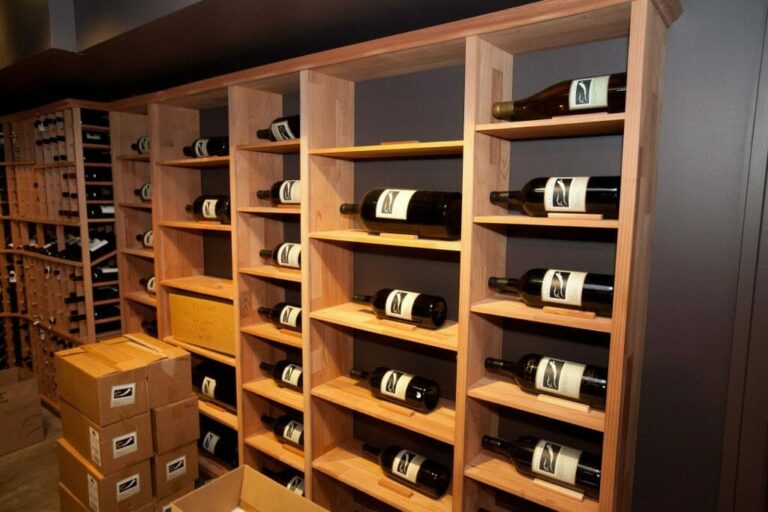
Designing a dedicated wine cellar is an excellent way to ensure the optimal storage conditions for a wine collection. A well-designed wine cellar takes into account the various factors that contribute to proper wine storage, including temperature, humidity, lighting, and vibration control.
When designing a wine cellar, it is important to consider the specific needs of the wine collection. This may include factors such as the size and composition of the collection, the types of wines being stored, and the desired storage capacity. By working with a team of experts, wine enthusiasts can create a customized wine cellar that is tailored to their specific requirements.
One of the key advantages of a custom-built wine cellar is the ability to precisely control the storage environment. This includes the ability to maintain a consistent temperature and humidity level, as well as the ability to shield the wine from harmful UV radiation and minimize vibration. By creating a dedicated, climate-controlled storage environment, wine enthusiasts can ensure that their prized bottles are protected and able to age gracefully.
Investing in a Wine Cellar: Long-Term Benefits for Wine Enthusiasts
Investing in a dedicated wine cellar can provide significant long-term benefits for wine enthusiasts and collectors. By ensuring the proper storage conditions for their wine collection, they can enjoy a number of advantages, including the preservation of wine quality, the potential for increased value, and the enhanced enjoyment of their wines.
One of the primary benefits of a wine cellar is the long-term cost savings that can be achieved through the preservation of wine quality. By storing their wines in optimal conditions, wine enthusiasts can prevent the premature aging or degradation of their wines, ensuring that they are able to enjoy their prized bottles for years to come. This can translate to significant cost savings, as the need to replace or repurchase wines due to improper storage is greatly reduced.
Additionally, the proper storage of wine can lead to an increase in the value of a wine collection over time. As wines age and develop, their value can appreciate, particularly for rare or highly sought-after vintages. By ensuring that their wines are stored in the ideal environment, wine enthusiasts can maximize the potential for their collection to increase in value, making their investment even more rewarding.
Perhaps most importantly, the enjoyment and appreciation of wine can be greatly enhanced through proper storage. By preserving the wine’s unique flavors, aromas, and overall quality, wine enthusiasts can experience the full depth and complexity of their wines, leading to a more fulfilling and satisfying drinking experience.
Consulting Lafayette’s Wine Cellar Experts: Tailored Advice for Your Collection
When it comes to ensuring the proper storage of a wine collection, seeking the guidance of experienced professionals can be invaluable. At Lafayette, our team of wine cellar experts is dedicated to providing customized solutions to meet the unique needs of our clients.
Our experts have a deep understanding of the various factors that contribute to proper wine storage, including temperature, humidity, lighting, and vibration control. By working closely with our clients, we are able to design and implement tailored wine cellar solutions that are optimized for the specific requirements of their wine collections.
Whether you are a seasoned wine collector or just starting to build your collection, our team of experts can provide you with the guidance and support you need to ensure the long-term preservation and enjoyment of your wines. From the initial design and planning stages to the ongoing maintenance and monitoring of your wine cellar, we are committed to helping you achieve the optimal storage conditions for your prized bottles.
By consulting with Lafayette’s wine cellar experts, you can have the peace of mind knowing that your wine collection is in the hands of professionals who are dedicated to preserving the quality and value of your wines. With their expertise and attention to detail, you can rest assured that your wines are being stored in the ideal environment, allowing you to fully appreciate their unique flavors and aromas for years to come.
FAQs
What is the importance of proper wine storage?
Proper wine storage is important because it helps maintain the quality and flavor of the wine. Factors such as temperature, humidity, light, and vibration can all affect the aging process and ultimately the taste of the wine.
What are the ideal conditions for wine storage?
The ideal conditions for wine storage include a consistent temperature of around 55 degrees Fahrenheit, humidity levels of 50-70%, minimal exposure to light, and limited vibration.
How does improper wine storage affect the quality of wine?
Improper wine storage can lead to a variety of issues such as premature aging, oxidation, and the development of off-flavors. Fluctuating temperatures, excessive light exposure, and dry corks can all negatively impact the quality of the wine.
What are the common mistakes people make when storing wine at home?
Common mistakes people make when storing wine at home include keeping it in the refrigerator for extended periods, exposing it to direct sunlight, storing it in a place with fluctuating temperatures, and not maintaining proper humidity levels.
What are the benefits of storing wine in a wine cellar?
Storing wine in a wine cellar provides a controlled environment with stable temperature and humidity levels, protection from light and vibration, and the ability to store wine bottles horizontally to keep the cork moist. This helps preserve the quality and flavor of the wine over time.