Wine Refrigeration Basics: Keeping Your Lafayette Wine Collection at Optimal Conditions
Proper wine storage is essential for preserving the quality and flavor of your wine collection. Whether you are a seasoned wine enthusiast or a novice collector, understanding the importance of maintaining the right conditions for your wines can make all the difference in ensuring their longevity and investment value. By providing the optimal conditions for wine aging and maturation, you can unlock the full potential of your Lafayette wine collection and enhance your overall wine-drinking experience.
Preserving the quality and flavor of your wine collection is a crucial aspect of proper wine storage. Wine is a delicate and complex beverage that can be easily affected by environmental factors such as temperature, humidity, and light exposure. Improper storage can lead to premature aging, oxidation, and the loss of the wine’s unique characteristics, ultimately compromising the taste and aroma that you have come to appreciate. By maintaining the right storage conditions, you can protect the integrity of your wines and ensure that they continue to evolve and develop in a way that enhances their overall quality.
Ensuring the longevity and investment value of your wines is another key reason to prioritize proper storage. Wine is not only a delightful beverage but also a valuable asset that can appreciate over time. By providing the right storage environment, you can extend the lifespan of your wines, allowing them to mature and develop in a way that preserves their investment potential. This is particularly important for rare or high-end wines, which can be a significant financial investment. By taking the necessary steps to protect your wine collection, you can safeguard your investment and potentially reap the rewards of your patience and care.
Key Takeaways
- Proper wine storage is crucial for maintaining the quality and flavor of your wine collection.
- Temperature control is essential for preserving the flavor and aroma of wine, with 55 degrees Fahrenheit being the optimal temperature for storage.
- Humidity regulation is important to prevent evaporation and cork damage, with a humidity level of 50-80% being ideal.
- Protect your wines from UV exposure by considering lighting options such as LED or UV-filtered lights.
- Choose a wine refrigerator that reduces vibration to ensure undisturbed aging of your wines.


Temperature Control: The Key to Preserving Wine Flavor
The impact of temperature fluctuations on wine is a critical factor in proper wine storage. Wines are highly sensitive to changes in temperature, and even minor variations can have a significant effect on their quality and flavor profile. Exposure to extreme temperatures, whether hot or cold, can accelerate the aging process, leading to premature oxidation, loss of aroma, and the development of undesirable flavors. Maintaining a consistent, ideal temperature range is essential for preserving the delicate balance of a wine’s components and ensuring that it reaches its full potential.
Maintaining a consistent, ideal temperature range for wine storage is crucial for preserving the wine’s quality and flavor. The optimal temperature for most wines is between 55°F and 65°F (13°C and 18°C), with a consistent temperature being the key. Fluctuations in temperature, even within this range, can disrupt the wine’s natural aging process and lead to undesirable changes in the wine’s characteristics. By providing a stable and controlled environment, you can create the perfect conditions for your wines to mature and develop in a way that enhances their overall enjoyment.
When setting the temperature in your wine refrigerator, there are several factors to consider. The type of wine, the intended aging period, and the specific storage requirements of your collection all play a role in determining the ideal temperature. For example, lighter, younger wines may benefit from a slightly cooler temperature, while older, more complex wines may thrive in a slightly warmer environment. Additionally, the size and layout of your wine refrigerator can impact the temperature distribution, requiring adjustments to ensure consistent conditions throughout the storage space. By carefully considering these factors and fine-tuning the temperature settings, you can create the optimal conditions for your Lafayette wine collection.
Humidity Regulation: Preventing Evaporation and Cork Damage
The role of humidity in wine storage is often overlooked, but it is a crucial factor in preserving the quality and longevity of your wines. Proper humidity levels are essential for preventing cork drying and wine oxidation, which can lead to the deterioration of your wine’s flavor and aroma. Achieving the perfect balance of humidity in your wine refrigerator is a key aspect of ensuring the long-term enjoyment of your Lafayette wine collection.
The impact of humidity on wine storage cannot be overstated. Excessively dry conditions can cause the cork to shrink and dry out, allowing air to enter the bottle and accelerating the oxidation process. This can result in the loss of the wine’s delicate flavors and aromas, as well as the potential for the wine to become undrinkable. Conversely, overly humid environments can lead to the growth of mold and mildew, which can also negatively impact the wine’s quality. Striking the right balance is essential for maintaining the integrity of your wine collection.
Achieving the perfect balance of humidity in your wine refrigerator requires careful consideration and monitoring. The ideal humidity range for wine storage is typically between 60% and 70%, with a consistent level being the goal. This range helps to maintain the cork’s integrity, preventing it from drying out and ensuring a proper seal that protects the wine from oxidation. To maintain this balance, your wine refrigerator should be equipped with humidity control features, such as built-in humidifiers or dehumidifiers, that allow you to fine-tune the environment to meet the specific needs of your wine collection. By taking the time to monitor and adjust the humidity levels as needed, you can ensure the long-term preservation of your Lafayette wines.
Lighting Considerations: Protecting Your Wines from UV Exposure
The detrimental effects of light on wine are often underestimated, but they can have a significant impact on the quality and flavor of your wine collection. Exposure to ultraviolet (UV) light can cause a process known as “light strike,” which can lead to the development of undesirable flavors and aromas, as well as the premature aging of the wine. Protecting your wines from this type of exposure is a crucial aspect of proper wine storage.
The impact of light on wine is a complex and often overlooked factor in wine storage. UV light can cause a chemical reaction within the wine, leading to the formation of compounds that impart a “light struck” or “skunky” flavor. This can occur even with brief exposure to light, and the effects can be irreversible, compromising the overall quality and enjoyment of the wine. Additionally, prolonged exposure to light can accelerate the aging process, causing the wine to develop prematurely and lose its desired characteristics.
When choosing a wine refrigerator for your Lafayette wine collection, it is essential to consider the lighting protection features. The ideal wine refrigerator should be designed with UV-resistant materials and proper lighting shielding to minimize the exposure of your wines to harmful light. This may include features such as tinted or opaque glass doors, interior LED lighting with low UV emission, and the use of materials that block the transmission of UV rays. By selecting a wine refrigerator that prioritizes lighting protection, you can ensure that your wines are stored in a safe and controlled environment, preserving their quality and flavor for years to come.

Vibration Reduction: Ensuring Undisturbed Aging
| Temperature Range | Humidity Level | Vibration Control |
|---|---|---|
| 55-58°F | 50-70% | Low vibration |
The impact of vibration on wine’s chemical and physical properties is a crucial consideration in proper wine storage. Constant or excessive vibration can disrupt the delicate balance of a wine’s components, leading to the premature aging of the wine and the potential for undesirable changes in its flavor and aroma. Ensuring that your wine collection is stored in an environment with minimal vibration is essential for maintaining the integrity of your Lafayette wines.
The impact of vibration on wine is often overlooked, but it can have a significant effect on the wine’s chemical and physical properties. Constant or excessive vibration can cause the sediment in the wine to become disturbed, leading to the premature aging of the wine and the potential for the development of off-flavors. Additionally, vibration can disrupt the natural aging process, causing the wine to mature in an undesirable way and potentially compromising its overall quality.
When selecting a wine refrigerator for your Lafayette wine collection, it is essential to prioritize models that are designed to minimize vibration. This may include features such as anti-vibration technology, shock-absorbing materials, and proper placement and installation to reduce the transmission of external vibrations. By choosing a wine refrigerator that prioritizes vibration reduction, you can ensure that your wines are stored in a stable and undisturbed environment, allowing them to age gracefully and develop their full potential.
Choosing the Right Wine Refrigerator for Your Lafayette Collection
Assessing your wine storage needs and collection size is the first step in selecting the right wine refrigerator for your Lafayette wine collection. Considering factors such as the number of bottles you currently own, as well as any plans for future expansion, will help you determine the appropriate capacity and size of the wine refrigerator. This will ensure that you have ample storage space to accommodate your collection while also allowing for efficient organization and access to your wines.
Evaluating the features and specifications of wine refrigerators is crucial in finding the perfect model for your needs. Factors such as temperature and humidity control, lighting protection, and vibration reduction should be carefully considered to ensure that your wines are stored in the optimal conditions. Additionally, features like adjustable shelving, door locks, and energy efficiency can also play a role in your decision-making process, as they can enhance the overall functionality and cost-effectiveness of your wine refrigerator.
Balancing capacity, energy efficiency, and aesthetic considerations is the final step in choosing the right wine refrigerator for your Lafayette wine collection. While it’s important to prioritize the storage and preservation of your wines, you may also want to consider the visual appeal and integration of the wine refrigerator into your home’s design. Selecting a model that not only meets your storage needs but also complements your living space can help to create a cohesive and visually appealing wine storage solution.
Installation and Placement: Optimizing Your Wine Refrigerator’s Performance
Selecting the ideal location for your wine refrigerator is crucial for ensuring its optimal performance and the long-term preservation of your Lafayette wine collection. Factors such as proximity to heat sources, direct sunlight, and high-traffic areas should be carefully considered to minimize the risk of temperature fluctuations and exposure to external factors that could compromise the quality of your wines.
Ensuring proper ventilation and airflow around your wine refrigerator is another essential aspect of installation and placement. Wine refrigerators require adequate space for the efficient dissipation of heat, which is generated during the cooling process. Proper airflow not only helps to maintain the desired temperature and humidity levels but also prevents the buildup of excess heat, which can lead to premature aging and the deterioration of your wines.
Integrating the wine refrigerator into your home’s design can be a delicate balance, but it is an important consideration for ensuring the seamless integration of your wine storage solution. Whether you choose to showcase your wine collection in a dedicated wine room or discreetly incorporate the wine refrigerator into your kitchen or living space, careful planning and attention to detail can help to create a visually appealing and functional wine storage solution that complements your home’s overall aesthetic.
Maintenance and Troubleshooting: Keeping Your Wine Refrigerator in Top Shape
Regular cleaning and filter replacement are essential for maintaining the optimal performance of your wine refrigerator and ensuring the long-term preservation of your Lafayette wine collection. Dust, debris, and other contaminants can accumulate over time, affecting the efficiency of the cooling system and potentially compromising the temperature and humidity levels within the refrigerator. By following the manufacturer’s recommended maintenance schedule and using the appropriate cleaning products and techniques, you can keep your wine refrigerator in top shape and prolong its lifespan.
Monitoring and addressing any performance issues that may arise with your wine refrigerator is crucial for maintaining the integrity of your wine collection. This may include monitoring temperature and humidity levels, checking for any unusual noises or vibrations, and being attentive to any changes in the overall performance of the unit. By addressing these issues promptly, you can prevent further damage and ensure that your wines continue to be stored in the optimal conditions.
In the event that you encounter a problem with your wine refrigerator that you are unable to resolve on your own, seeking professional assistance is highly recommended. Wine refrigerators are specialized appliances that require the expertise of trained technicians to diagnose and repair any issues. By working with a qualified service provider, you can ensure that any necessary repairs or maintenance are carried out correctly, minimizing the risk of further damage to your wine refrigerator and your valuable wine collection.

Enhancing the Enjoyment of Your Lafayette Wine Collection with Proper Refrigeration
Serving your wines at the perfect temperature is a crucial aspect of enhancing the overall enjoyment of your Lafayette wine collection. Different wine varieties have their own optimal serving temperatures, which can significantly impact the flavor, aroma, and overall drinking experience. By utilizing the temperature control features of your wine refrigerator, you can ensure that each bottle is served at the ideal temperature, allowing the unique characteristics of your wines to shine.
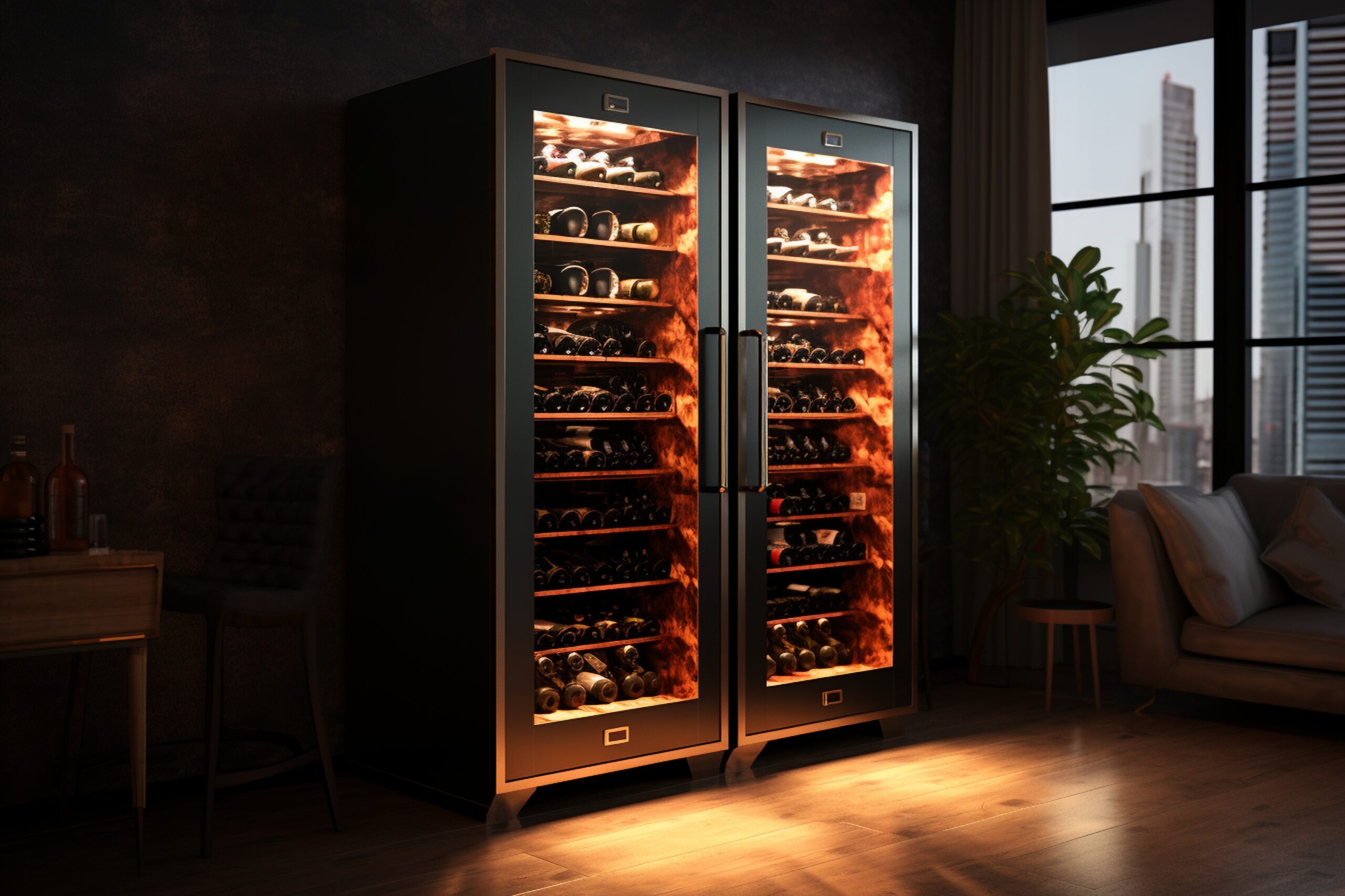
Showcasing your wine collection in a visually appealing manner is another way to enhance the enjoyment of your Lafayette wines. A well-designed wine refrigerator can serve as a focal point in your home, highlighting your collection and creating a inviting atmosphere for wine enthusiasts. Features such as adjustable shelving, interior lighting, and a sleek, modern design can help to elevate the presentation of your wines, making them a true centerpiece of your living space.
Maximizing the longevity and quality of your wines for years to come is the ultimate goal of proper wine refrigeration. By maintaining the optimal storage conditions, you can ensure that your Lafayette wine collection continues to mature and develop in a way that preserves its unique flavors and aromas. This not only enhances your overall wine-drinking experience but also protects the investment you have made in your collection, allowing you to enjoy the fruits of your patience and care for many years to come.
FAQs
What is wine refrigeration?
Wine refrigeration is the process of storing and cooling wine at the optimal temperature to preserve its flavor and quality.
Why is it important to store wine at the right temperature?
Storing wine at the right temperature is important because it helps to slow down the aging process and preserve the flavors and aromas of the wine. Improper storage can lead to the deterioration of the wine’s quality.
What is the optimal temperature for storing wine?
The optimal temperature for storing wine is between 45-65°F (7-18°C). White wines are best stored at the lower end of the range, while red wines are best stored at the higher end.
What are the benefits of using a wine refrigerator?
A wine refrigerator provides a controlled environment for storing wine at the optimal temperature and humidity levels. It also protects the wine from light and vibration, which can negatively impact its quality.
How does humidity affect wine storage?
Humidity is important for wine storage because it helps to keep the corks moist, preventing them from drying out and allowing air to seep into the bottle. The ideal humidity level for wine storage is around 70%.
What are the key features to look for in a wine refrigerator?
Key features to look for in a wine refrigerator include adjustable temperature controls, UV-protected glass doors, humidity control, and vibration-free storage to ensure the optimal conditions for wine storage.
Can I use a regular refrigerator to store wine?
While a regular refrigerator can be used to store wine in the short term, it is not ideal for long-term storage. Regular refrigerators are typically set at lower temperatures and lower humidity levels, which can negatively impact the quality of the wine over time.