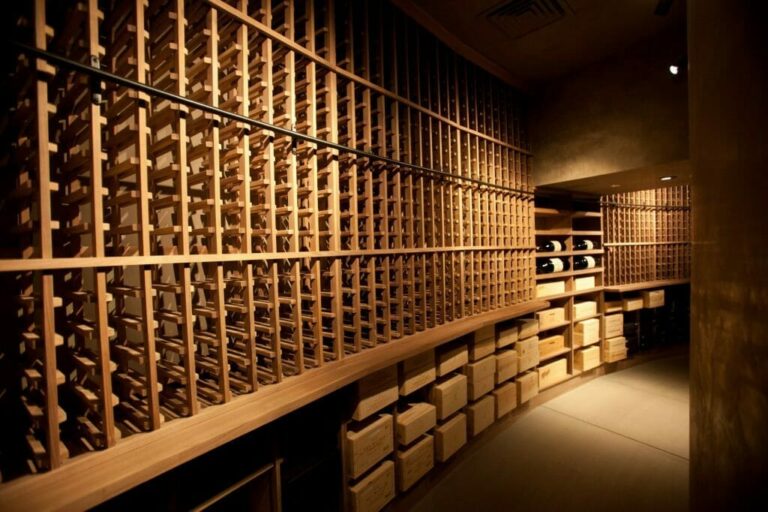
Creating the Perfect Lafayette Wine Cellar
Designing a wine cellar is an intricate process that requires a blend of aesthetics, functionality, and practicality. At its core, a wine cellar serves as a sanctuary for your wine collection, protecting it from environmental factors that could compromise its quality. The fundamental principles of wine cellar design revolve around temperature control, humidity regulation, and proper storage solutions.
A well-designed wine cellar not only preserves the integrity of the wine but also enhances the overall experience of wine appreciation. When embarking on the design journey, it is essential to consider the size and layout of the space. The dimensions will dictate how many bottles can be stored and how they will be organized.
Additionally, the design should reflect personal style while accommodating the technical requirements necessary for optimal wine storage. This includes ensuring that the cellar is insulated properly to maintain a consistent temperature and humidity level, which are critical for aging wine effectively.
Key Takeaways
- Understanding the basics of wine cellar design is essential for creating a functional and aesthetically pleasing space for your wine collection.
- Choosing the right location for your wine cellar involves considering factors such as temperature, humidity, and access for maintenance.
- Selecting the ideal wine racks and storage solutions is crucial for maximizing space and ensuring proper storage of your wine bottles.
- Controlling temperature and humidity in your wine cellar is important for preserving the quality of your wine collection.
- Lighting and decor play a significant role in creating a welcoming and visually appealing atmosphere in your wine cellar.

Choosing the Right Location for Your Wine Cellar
The location of your wine cellar plays a pivotal role in its effectiveness and functionality. Ideally, a wine cellar should be situated in a cool, dark place away from direct sunlight and temperature fluctuations. Basements are often considered the best option due to their naturally cooler temperatures and stable environment.
However, if a basement is not available, other areas of the home can be adapted for wine storage, provided they meet the necessary conditions. Accessibility is another important factor when selecting a location. A wine cellar should be easily accessible for regular use, whether for personal enjoyment or entertaining guests.
It is also beneficial to consider proximity to the kitchen or dining area, as this can enhance the overall experience of serving wine. Ultimately, the chosen location should balance practicality with the ideal conditions for wine storage, ensuring that your collection remains in pristine condition.
Selecting the Ideal Wine Racks and Storage Solutions
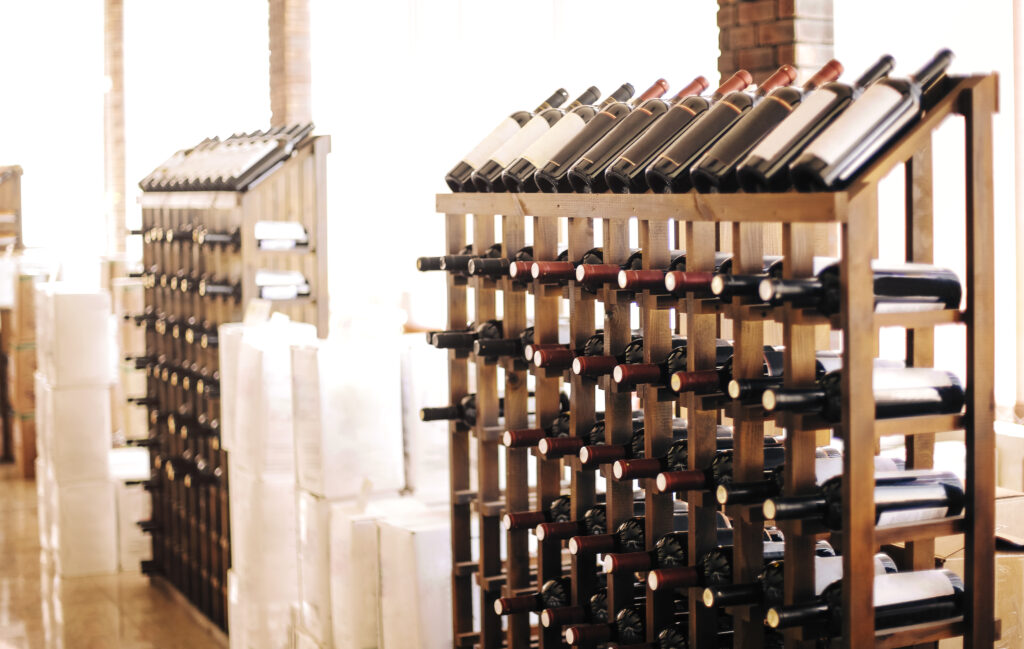
Once the location is determined, the next step is to select appropriate wine racks and storage solutions that align with both your collection size and aesthetic preferences. Wine racks come in various materials, styles, and configurations, allowing for customization based on individual needs. Wooden racks are popular for their classic appeal and durability, while metal racks offer a modern touch and can be more space-efficient.
In addition to traditional racks, there are innovative storage solutions available that maximize space and enhance organization. Modular systems allow for flexibility in design, enabling collectors to expand their storage as their collection grows. Furthermore, specialized storage options such as temperature-controlled cabinets or wine refrigerators can provide additional protection for high-value bottles or those requiring specific conditions.
The right choice of storage will not only protect your investment but also create an inviting display that showcases your collection.
Controlling Temperature and Humidity in Your Wine Cellar
Maintaining the correct temperature and humidity levels is crucial for preserving the quality of wine. The ideal temperature for storing wine typically ranges between 50°F to 55°F (10°C to 13°C). Fluctuations outside this range can lead to premature aging or spoilage.
Therefore, incorporating a reliable climate control system is essential in any wine cellar design. This may include dedicated cooling units that can maintain consistent temperatures regardless of external conditions. Humidity levels also play a significant role in wine preservation.
The ideal humidity range is between 50% to 70%. Low humidity can cause corks to dry out, leading to oxidation and spoilage, while excessive humidity can promote mold growth. To achieve optimal humidity levels, it may be necessary to install humidifiers or dehumidifiers depending on the specific environment of your cellar.
Regular monitoring of both temperature and humidity will ensure that your wines are stored under ideal conditions.
Lighting and Decor for Your Wine Cellar
The ambiance of a wine cellar can greatly enhance the overall experience of enjoying wine. Thoughtful lighting choices can create a warm and inviting atmosphere while also serving practical purposes. It is advisable to use LED lighting as it emits minimal heat and does not produce UV rays that can damage wine over time.
Dimmable lights can also be incorporated to adjust brightness according to different occasions, whether it’s a casual gathering or an intimate tasting event. Decor elements should complement the overall design theme of the cellar while reflecting personal taste. This could include artwork, custom shelving designs, or even thematic decor that resonates with your wine preferences.
The goal is to create a space that feels both luxurious and comfortable, encouraging relaxation and enjoyment. A well-decorated wine cellar not only serves as a storage area but also as a personal retreat where one can appreciate the finer aspects of life.
Organizing and Cataloging Your Wine Collection

An organized wine collection is essential for easy access and enjoyment. Developing a systematic approach to cataloging your wines can save time and enhance your overall experience when selecting bottles for various occasions. One effective method is to categorize wines by type—red, white, sparkling—and further by region or varietal.
This allows for quick identification and retrieval when hosting events or simply enjoying a glass at home. In addition to physical organization, utilizing technology can streamline the cataloging process. There are various apps and software available that allow collectors to track their inventory digitally.
These tools can provide detailed information about each bottle, including tasting notes, purchase dates, and optimal drinking windows. By combining traditional organization methods with modern technology, you can ensure that your collection remains well-maintained and easily accessible.
Incorporating Tasting and Entertaining Areas in Your Wine Cellar
A wine cellar can serve as more than just a storage space; it can also be an inviting area for tasting and entertaining guests. Incorporating dedicated spaces for tastings can elevate the experience of enjoying wine with friends and family. This could include comfortable seating arrangements, tasting tables, or even a small bar area where guests can sample different wines.
When designing these spaces, consider elements that enhance comfort and functionality. Adequate seating should be provided to accommodate guests comfortably while allowing for easy movement throughout the area. Additionally, incorporating features such as glassware storage or a small refrigerator for chilled wines can make hosting gatherings more convenient.
Ultimately, creating an inviting atmosphere encourages social interaction and fosters a deeper appreciation for your collection.
Maintaining and Caring for Your Wine Cellar
Regular maintenance is key to ensuring that your wine cellar remains in optimal condition over time. This includes routine checks on temperature and humidity levels to ensure they remain within the ideal ranges. It is also important to clean the space periodically to prevent dust accumulation and potential mold growth, which could affect both the environment and your collection.
Furthermore, keeping an inventory of your wines updated is essential for effective management of your collection. Regularly reviewing your catalog allows you to identify bottles that may need to be consumed sooner rather than later or those that are reaching their peak drinking window. By staying proactive in maintaining both the physical space and the collection itself, you can ensure that your wine cellar continues to be a source of enjoyment for years to come.
In conclusion, designing a wine cellar involves careful consideration of various factors ranging from location and storage solutions to climate control and decor. By understanding these elements and implementing best practices in organization and maintenance, you can create a space that not only protects your investment but also enhances your overall enjoyment of wine. Whether you are an avid collector or simply someone who appreciates fine wines, a well-designed wine cellar can transform your experience into something truly special.

FAQs
What is a residential wine cellar?
A residential wine cellar is a storage space specifically designed for the aging and preservation of wine bottles in a home. It is typically equipped with climate control systems to maintain the ideal temperature and humidity levels for wine storage.
What are the benefits of having a residential wine cellar?
Having a residential wine cellar allows wine enthusiasts to store and age their wine collection in optimal conditions, preserving the quality and flavor of the wine over time. It also provides a dedicated space for organizing and displaying wine bottles, adding aesthetic value to the home.
What are the key components of a residential wine cellar?
Key components of a residential wine cellar include wine racks or shelving for bottle storage, a climate control system to regulate temperature and humidity, insulation to maintain stable conditions, and proper lighting for ambiance and visibility.
What are the considerations for building a residential wine cellar in Lafayette?
Considerations for building a residential wine cellar in Lafayette include the available space in the home, the desired capacity for wine storage, the climate and environmental conditions of the area, and any local building codes or regulations that may apply to wine cellar construction.
What are the different types of residential wine cellars?
There are various types of residential wine cellars, including traditional underground cellars, modern glass-enclosed cellars, walk-in wine rooms, and compact closet-sized cellars. The choice of wine cellar type depends on the homeowner’s preferences, available space, and budget.