Creating a Commercial Wine Cellar in Lafayette: Essential Tips
When considering the establishment of a wine cellar, the first step is to carefully evaluate the location and space planning. The ideal site for a wine cellar should be in a cool, dark area of the home, away from direct sunlight and heat sources. Basements are often favored due to their naturally cooler temperatures, but any space that can maintain a stable environment will suffice.
It is essential to assess the dimensions of the chosen area, as this will dictate the design and capacity of the wine storage solution. A well-planned layout not only maximizes storage but also enhances accessibility, allowing for easy organization and retrieval of bottles. In addition to temperature considerations, the layout should facilitate an enjoyable experience for wine enthusiasts.
This means incorporating space for tasting and socializing, if desired. A well-thought-out design can include seating areas or a small bar, creating an inviting atmosphere for gatherings. Furthermore, it is crucial to consider the flow of movement within the space.
Ensuring that there is enough room to navigate without obstruction will enhance functionality and make the wine cellar a more enjoyable place to spend time.
Key Takeaways
- Location and Space Planning:
- Choose a location with minimal temperature fluctuations and ample space for future expansion.
- Consider the proximity to potential sources of vibration and odors.
- Temperature and Humidity Control:
- Invest in a quality cooling system to maintain a consistent temperature between 55-57°F.
- Aim for a humidity level of 50-70% to prevent cork deterioration and mold growth.
- Wine Racking and Storage:
- Opt for racking systems that allow for proper air circulation and easy access to bottles.
- Consider incorporating storage for large format bottles and cases.
- Lighting and Aesthetics:
- Use LED lighting to minimize heat and UV exposure.
- Design the cellar with aesthetic appeal in mind, considering materials, colors, and layout.
- Security and Access Control:
- Install a reliable security system with access control to protect your wine collection.
- Consider biometric or keypad entry for added security.
- Budgeting and Financing:
- Create a detailed budget that includes construction, equipment, and ongoing maintenance costs.
- Explore financing options such as loans or leasing for cellar construction and equipment.
- Legal and Regulatory Considerations:
- Research local regulations and permits required for building and operating a wine cellar.
- Consider insurance coverage for your wine collection and cellar equipment.
- Maintenance and Monitoring:
- Implement a regular maintenance schedule for cooling systems and racking to ensure optimal performance.
- Invest in a monitoring system to track temperature, humidity, and security remotely.

Temperature and Humidity Control
Temperature and humidity control are paramount in maintaining the integrity of wine. Wine is sensitive to fluctuations in temperature; ideally, it should be stored at a consistent temperature between 50°F and 55°F. Any significant deviation can lead to spoilage or premature aging.
Therefore, investing in a reliable climate control system is essential. This may include specialized wine cooling units that can maintain the desired temperature regardless of external conditions. These systems often come with digital thermostats for precise monitoring, ensuring that the environment remains stable.
Humidity levels also play a critical role in wine preservation. The ideal humidity range for a wine cellar is between 50% and 70%. Low humidity can cause corks to dry out, leading to oxidation and spoilage, while excessive humidity can promote mold growth.
To achieve optimal humidity levels, it may be necessary to incorporate humidifiers or dehumidifiers into the climate control system. Regular monitoring of both temperature and humidity is vital; utilizing hygrometers and thermometers can help ensure that conditions remain within the ideal range.
Wine Racking and Storage

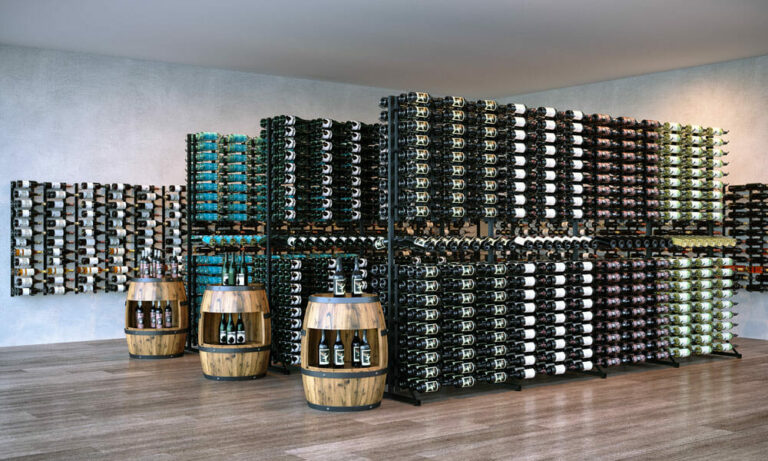
The choice of wine racking and storage solutions is integral to the overall functionality of a wine cellar. Racking systems come in various styles and materials, each offering unique benefits. Wooden racks are popular for their aesthetic appeal and ability to absorb moisture, while metal racks provide a modern look and durability.
The design should accommodate different bottle sizes, including standard Bordeaux bottles, larger formats, and even magnums. Custom racking solutions can be tailored to fit specific needs, maximizing space efficiency while showcasing the collection. In addition to traditional racking systems, innovative storage options such as modular shelving or wall-mounted displays can enhance both organization and visual appeal.
It is essential to consider accessibility when designing the racking layout; bottles should be easy to reach without causing disruption to the entire collection. Furthermore, incorporating features like sliding shelves or pull-out bins can facilitate better organization and retrieval of bottles, making it easier to manage a growing collection.
Lighting and Aesthetics
Lighting plays a crucial role in creating an inviting atmosphere within a wine cellar while also serving practical purposes. Proper lighting can highlight the beauty of the wine collection and enhance the overall aesthetic appeal of the space. However, it is essential to choose lighting solutions that do not emit heat or UV rays, as these can adversely affect wine quality.
LED lights are an excellent choice due to their low heat output and energy efficiency. Dimmable options allow for flexibility in creating different moods, whether for intimate gatherings or showcasing the collection. Aesthetics should not be overlooked when designing a wine cellar.
The choice of materials, colors, and finishes can significantly impact the overall ambiance. Natural wood finishes can evoke a rustic charm, while sleek metal accents may lend a contemporary feel. Incorporating design elements such as artwork or decorative shelving can further personalize the space.
Ultimately, the goal is to create an environment that reflects personal style while providing a functional area for wine storage.
Security and Access Control
As valuable assets, wine collections require adequate security measures to protect against theft or damage. Implementing security features such as locks on doors or access control systems can help safeguard the collection. Depending on the size and value of the collection, homeowners may consider installing surveillance cameras or alarm systems for added peace of mind.
These measures not only protect against external threats but also ensure that the environment remains undisturbed by unauthorized access. Access control is equally important in managing who can enter the wine cellar. For those who frequently entertain guests or have family members who may not understand proper wine handling techniques, establishing clear guidelines for access can prevent mishaps.
This may include using keypads or biometric systems that restrict entry to authorized individuals only. By combining security measures with thoughtful access control strategies, homeowners can ensure their wine collections remain safe while still being accessible for enjoyment.
Budgeting and Financing
Establishing a wine cellar involves various costs that must be carefully considered during the planning phase. Budgeting should encompass all aspects of the project, including construction, climate control systems, racking solutions, lighting, and security features. It is advisable to create a detailed list of anticipated expenses to avoid overspending or unexpected financial strain later on.
Additionally, homeowners should factor in ongoing costs such as electricity for climate control systems and maintenance expenses. Financing options may also be available for those looking to invest in a wine cellar but who may not have immediate funds available. Home equity loans or lines of credit can provide necessary capital for larger projects, while personal loans may be suitable for smaller investments.
It is essential to evaluate different financing options carefully, considering interest rates and repayment terms to ensure that they align with long-term financial goals.

Legal and Regulatory Considerations
Before embarking on a wine cellar project, it is crucial to understand any legal and regulatory considerations that may apply. Local zoning laws may dictate where a wine cellar can be located within a home or whether permits are required for construction or renovation projects. Homeowners should consult with local authorities or building inspectors to ensure compliance with all regulations before proceeding with their plans.
Additionally, if the wine cellar will be used for commercial purposes—such as hosting tastings or selling wine—further regulations may apply. This could include obtaining licenses or permits related to alcohol sales or distribution. Understanding these legal requirements upfront can prevent potential issues down the line and ensure that the wine cellar operates within legal boundaries.
Maintenance and Monitoring
Once a wine cellar is established, ongoing maintenance and monitoring are essential to preserve both the structure and its contents. Regular inspections of climate control systems are necessary to ensure they are functioning correctly; this includes checking filters and cleaning units as needed. Additionally, monitoring temperature and humidity levels consistently will help identify any fluctuations that could jeopardize the wine collection.
Maintenance also extends to the physical space itself; keeping the cellar clean and organized will enhance its longevity and usability. This includes dusting racks, checking for signs of mold or pests, and ensuring that bottles are stored properly to prevent damage. By implementing a routine maintenance schedule and remaining vigilant about monitoring conditions, homeowners can enjoy their wine collections with confidence that they are being preserved in optimal conditions.
FAQs
What are the key considerations when building a commercial wine cellar in Lafayette?
When building a commercial wine cellar in Lafayette, it is important to consider factors such as the size of the cellar, temperature and humidity control, proper insulation, lighting, and security measures.
What are the legal requirements for building a commercial wine cellar in Lafayette?
In Lafayette, building a commercial wine cellar may require obtaining permits and adhering to building codes and regulations. It is important to consult with local authorities and obtain the necessary approvals before starting the construction.
What are the ideal storage conditions for a commercial wine cellar in Lafayette?
The ideal storage conditions for a commercial wine cellar in Lafayette include maintaining a consistent temperature between 55-57°F, humidity levels of 60-70%, minimal exposure to light, and proper ventilation to prevent mold and mildew.
What are the security measures to consider for a commercial wine cellar in Lafayette?
Security measures for a commercial wine cellar in Lafayette may include installing a reliable alarm system, surveillance cameras, secure locking mechanisms for doors, and restricted access to authorized personnel only.
What are the benefits of hiring a professional contractor for building a commercial wine cellar in Lafayette?
Hiring a professional contractor for building a commercial wine cellar in Lafayette ensures expertise in design, construction, and compliance with local regulations. It also saves time and ensures the cellar is built to the highest standards.